
Fasting is about when you eat. Keto is about what you eat. Used together, they can boost fat loss, steady energy, and help you break plateaus—without constant hunger.
Why Combine Keto + Intermittent Fasting?
On keto, hitting your macros matters—but timing can help too. Intermittent fasting (IF) extends the time your body spends in fat-burning mode, which may help break plateaus and support steadier ketosis. It’s optional (keto works without IF), but many people find the combo simplifies eating and improves appetite control.
Feeding vs. Fasting
- Feeding: you’re eating/digesting; insulin is higher; fat-burning is lower.
- Fasting: you’re not eating; insulin falls; the body taps stored fat/ketones for energy.
By gently extending fasting windows, you give your body more time to use stored fuel.
Who Might Benefit
- People stuck at a weight-loss plateau
- Those who prefer fewer, larger meals
- Busy schedules where meal timing is easier than meal prep
Popular Intermittent Fasting Methods
- Skip a meal: simplest way to extend your fast (often skip breakfast or lunch).
- Eating window (time-restricted eating): Eat all meals within 4–8 hours, fast the rest (e.g., 16:8, 18:6, 20:4, or 23:1).
- Occasional extended fasts: 18–24 hours once in a while when comfortable.
You can fast daily, a few times per week, or just when it fits your life—flexibility wins.
Getting Started (Gentle Ramp-Up)
- Week 1: Stop eating 3–4 hours before bed; keep meals low-carb/keto.
- Week 2: Try a 12:12 (12h fast / 12h eat).
- Week 3: Move to 14:10, then 16:8 if you feel good.
During fasts: water, black coffee, plain tea, and electrolytes are fine. Add fats only if needed for comfort (technically breaks a strict fast but can help adherence).
How to Break a Fast (Keto-Friendly)
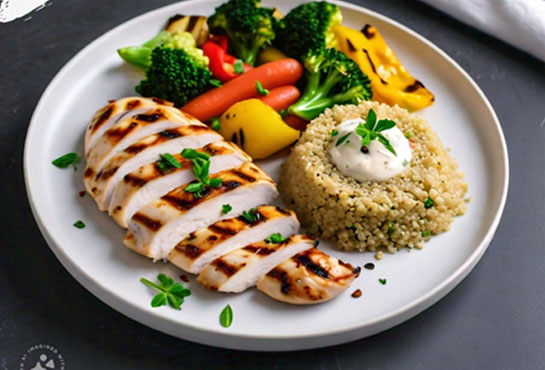
- Protein + fat: eggs with avocado, grilled chicken with olive oil greens, salmon with veggies.
- Avoid big sugar loads; keep carbs low to stay in ketosis.
- Eat mindfully; stop at “comfortably full.”
Potential Benefits of Keto + IF
- Appetite control & fewer cravings
- Simpler meal planning (fewer meals)
- More time in fat-burning mode (ketones)
- May support insulin sensitivity and metabolic health
Results vary. Track how you feel and adjust your schedule and macros accordingly.
When to Be Careful
Fasting isn’t for everyone. Avoid or get medical guidance if you’re pregnant/breastfeeding, have a history of eating disorders, are underweight, take glucose-lowering meds, or have a medical condition that requires regular meals.
FAQ: Intermittent Fasting on Keto
Do I have to fast to succeed on keto?
No. Fasting is optional. Many thrive on standard keto without IF.
What “breaks” a fast?
Calories technically break a fast. Water, black coffee, and plain tea are fine. Electrolytes with no calories are also fine.
Will fasting kick me out of ketosis?
Generally the opposite—fasting encourages your body to use fat/ketones. Just keep carbs low when you eat.
How often should I fast?
Start with 12:12 or 14:10 a few days per week. If you feel good, try 16:8 most days. Flex it to your lifestyle.