
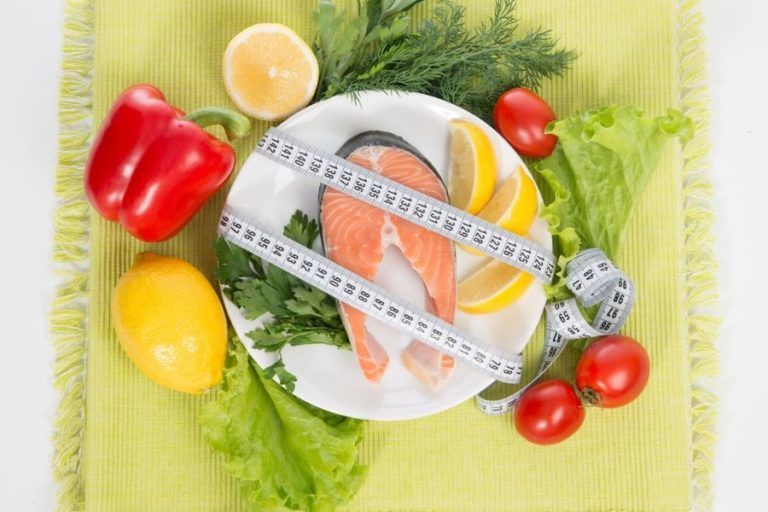
Keto’s popularity keeps growing—and for good reason. If you want fat loss, steady energy, and a simple way to eat, this guide walks you through the first steps so you can stay on track from day one.
Quick Start
- Pick a simple carb target (many start at ~20g net carbs/day).
- Base meals on protein + non-starchy veggies + healthy fats.
- Repeat 2–3 breakfasts, lunches, and dinners you enjoy.
- Salt your food and stay hydrated; consider electrolytes.
Cut Carbs to Enter Ketosis
To nudge your metabolism into ketosis, lower carbs enough that your body runs out of easy glucose and begins producing ketones for fuel. The exact threshold varies by person, but starting at ~20g net carbs/day helps many beginners.
What This Looks Like
- Eggs, poultry, beef, pork, seafood
- Leafy greens, broccoli, cauliflower, zucchini
- Olive oil, avocado, butter/ghee, coconut oil
- Cheese and Greek yogurt (unsweetened), as tolerated
Move More (Faster Transition)
Exercise helps deplete glycogen, encouraging your body to switch to fat and ketones sooner. Start with what you’ll stick to: brisk walking, strength training, or short intervals.
- Target: 30 minutes, 3× per week to start
- Mix cardio + resistance for best results
Why It Helps
When glycogen is used during workouts, your liver ramps up ketone production—supporting the transition into ketosis and helping energy feel steadier over time.
Increase Healthy Fats
Healthy fats keep meals satisfying and help you maintain ketosis. They also naturally crowd out carb-heavy foods.
- Olive oil, avocado, coconut oil
- Butter or ghee
- Fatty fish (salmon, sardines, mackerel)
- Egg yolks, nuts, and seeds
Protein + Fat Pairing
Build each plate around protein and add fats to taste. This combo supports satiety and makes the plan easier to sustain.
Try Intermittent Fasting (Optional)
Time-restricted eating (like 12:12 or 16:8) can help reduce grazing and may speed the switch to fat-burning. Keep fasts gentle at first and choose a rhythm that fits your lifestyle.
- Water, black coffee, and plain tea during fasts
- Break fasts with protein + veggies + fats
Easy On-Ramp
- Finish dinner 3–4 hours before bed
- Delay breakfast slightly the next day
- Keep electrolytes up for comfort
About the “Keto Flu”
Early on, some people feel a bit off—headache, low energy, cravings—as the body adapts to ketones. This is temporary for most.
- Hydrate and add electrolytes (sodium, potassium, magnesium)
- Don’t crash-diet calories; eat to satiety
- Give it a few days—most feel better quickly
After the Transition
Once adapted, many report steadier energy, fewer cravings, and simpler meal planning. The hardest part is the first week—then it’s all about consistency.
Easy Meal Templates
- Breakfast: eggs + avocado + sautéed greens
- Lunch: chicken salad lettuce wraps + olives
- Dinner: salmon + roasted broccoli + herb butter
- Snack: cheese, nuts, or deli roll-ups
Next Steps
Keep carbs low, hit your protein, add fats for satisfaction, and move your body. Track for a week or two to learn portions, then settle into a routine that feels good. Consistency—not perfection—wins.