
Why Metabolism Focused Keto Matters
The most compelling case for keto is not just weight loss. It is what the diet does to your metabolism at a cellular and hormonal level. When carbohydrates drop low enough, your body shifts from a glucose-dominant system to a fat and ketone-based system.
This metabolic switch, called nutritional ketosis, affects how efficiently you burn fat, how stable your blood sugar stays, how hungry you feel, and even how your mitochondria produce energy. For busy professionals, parents, athletes, and anyone managing metabolic health markers, these changes can translate into steady energy, better appetite control, and measurable improvements in lab results.
This guide walks through the key science based benefits of the ketogenic diet for metabolism, what the research actually shows, and how to apply it in real life without hype or oversimplification.
Key Takeaway: The primary metabolic benefit of keto is not magic fat loss. It is a fundamental shift in fuel preference, from sugar dependent to fat and ketone efficient, which drives many downstream advantages.
How Keto Changes Your Primary Fuel Source
The hallmark of a ketogenic diet is a metabolic shift from carb dependence to fat and ketone utilization.
From Glucose Dominance to Fat Oxidation
On a typical high carb diet, 45 to 65 percent of your calories come from carbohydrates. Your body prioritizes glucose for fuel, and fat is stored more readily.
On a well-formulated ketogenic diet, carbs usually drop to around 20 to 50 grams per day, with fat providing roughly 65 to 75 percent of calories. This low carb environment leads to:
- Depletion of liver glycogen within about 24 to 48 hours
- Increased breakdown of stored triglycerides into free fatty acids
- Liver conversion of some fatty acids into ketone bodies, primarily beta hydroxybutyrate (BHB)
Studies show that within 2 to 4 weeks of sustained ketosis, your muscles and brain become more efficient at using both fatty acids and ketones, a process called fat adaptation.
Metabolic Flexibility and Why It Matters
Metabolic flexibility is your body’s ability to switch between fuels, depending on availability and demand. Many people with prediabetes, obesity, or insulin resistance have impaired flexibility. They burn mainly glucose, even at rest, and struggle to access stored fat.
Keto temporarily restricts glucose availability, which forces the metabolic machinery that burns fat to upregulate. Research using respiratory quotient (RQ) measurements shows a shift toward greater fat oxidation in keto-adapted individuals, both at rest and during activity.
This enhanced ability to burn fat can:
- Reduce reliance on frequent carb-heavy snacks
- Support weight loss from body fat instead of lean tissue
- Provide more stable energy during long workdays or endurance training
[IMAGE: Illustration of the metabolic shift from glucose to ketone/fat as primary fuel, with arrows showing liver, fat tissue, and muscle interplay]
Insulin, Blood Sugar, and Metabolic Health Markers
For many adults, especially those with a family history of type 2 diabetes or metabolic syndrome, the most important keto benefits revolve around insulin and blood sugar control.
Improved Insulin Sensitivity
Insulin is the key hormone that helps shuttle glucose into cells. Chronic high carb intake and frequent snacking can keep insulin elevated, which over time can lead to insulin resistance.
Low carb and ketogenic diets consistently show:
- Reduced fasting insulin levels
- Improved HOMA-IR scores, a marker of insulin resistance
- Lower post-meal glucose excursions
Clinical trials in people with type 2 diabetes have demonstrated that well-supported ketogenic interventions can lead to reductions in diabetes medications, and in some cases, remission of diagnostic criteria. These outcomes are usually tied to both carb restriction and weight loss, but the direct effect on insulin dynamics is significant.
Blood Sugar Stability and Day-to-Day Function
Even if you are not diabetic, large swings in blood sugar can cause:
- Mid-afternoon crashes
- Irritability between meals
- Sugar cravings
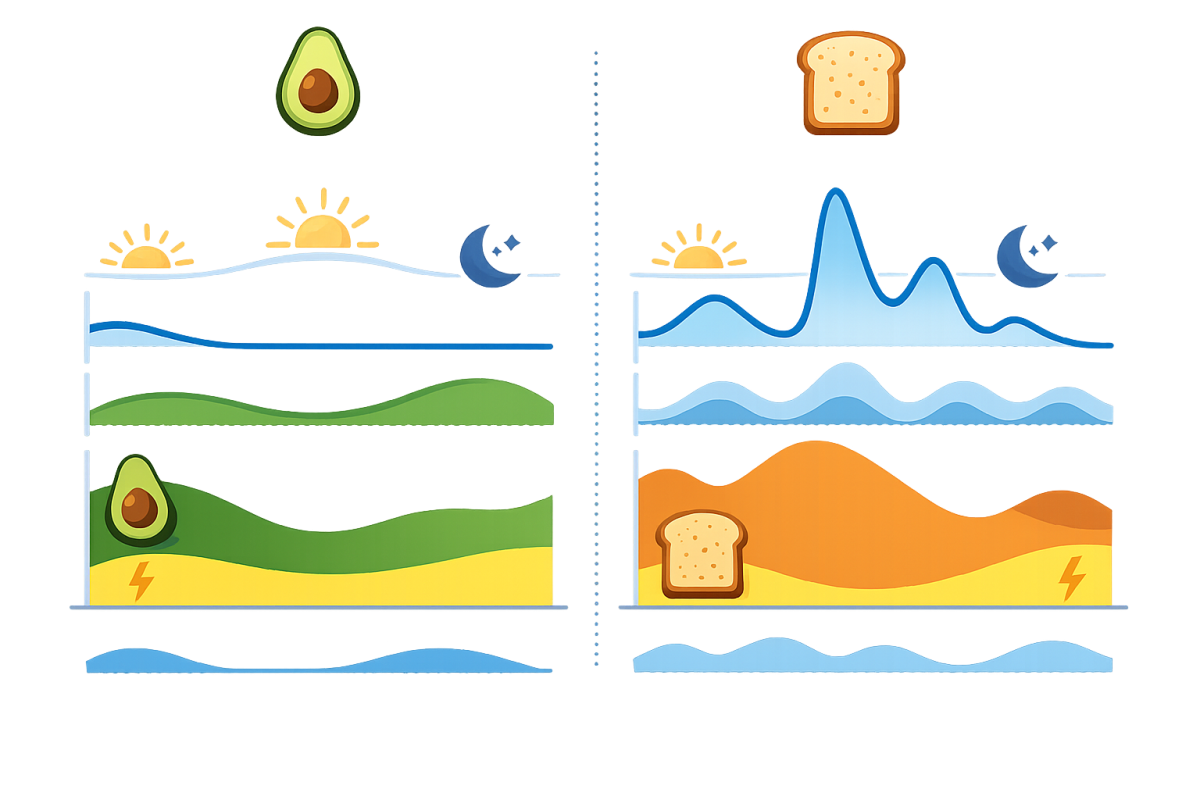
By minimizing rapid glucose spikes, keto typically leads to a flatter blood glucose curve. Continuous glucose monitor (CGM) data from low carb cohorts often show:
- Lower glycemic variability
- Less time spent in high glucose ranges
- More predictable energy across the day
For working professionals and parents who cannot afford energy crashes, this stability can be a practical game changer.
Key Takeaway: Lowering carbs on keto reduces insulin demand and flattens blood sugar swings, which supports long-term metabolic health and more reliable daily energy.
Keto, Appetite Regulation, and Caloric Intake
One of the most overlooked metabolic advantages of keto is how it naturally alters hunger and fullness signals.
Hormonal Shifts in Appetite
Appetite is not just about willpower. Hormones such as ghrelin, leptin, peptide YY, and cholecystokinin (CCK) directly influence how hungry or satisfied you feel. Research on ketogenic diets indicates:
- Reduced ghrelin levels in some individuals during ketosis
- Increased satiety hormones, likely due to higher protein and fat intake
- More stable leptin signaling alongside fat loss
In practical terms, many people on keto report that they:
- Can comfortably go longer between meals
- Experience fewer intense cravings
- Feel satisfied on fewer calories without deliberate restriction
Caloric Intake and Spontaneous Weight Loss
When appetite stabilizes, many individuals naturally reduce their caloric intake. Several trials comparing low carb to low fat diets show that low carb groups often eat fewer calories spontaneously yet report greater satisfaction.
For example, in weight loss studies over 6 to 12 months, ketogenic or very low carb groups frequently:
- Lose more body fat in the early phases
- Preserve more lean mass when protein is adequate
- Maintain adherence better when they feel less deprived
For recreational athletes and active professionals, this can mean leaning out without the constant mental battle of traditional calorie counting.
[IMAGE: Illustration of appetite hormones and their changes on a ketogenic diet, simplified for a lay audience]
Mitochondria, Energy Production, and Inflammation
Deeper metabolic changes occur at the cellular level, especially in the mitochondria that generate ATP, your body’s energy currency.
Ketones as an Efficient Fuel
Ketone bodies, especially BHB, are not just backup fuel. Several lines of research suggest:
- Higher ATP yield per unit of oxygen consumed compared to glucose in some tissues
- Reduced production of reactive oxygen species during ketone metabolism
- Potential enhancement of mitochondrial biogenesis and function
This can matter for endurance athletes who seek efficient fuel for long efforts, and for busy adults who want more mental clarity and fewer afternoon slumps.
Inflammation and Oxidative Stress
Chronic low-grade inflammation is a core feature of many metabolic diseases. Ketogenic diets may influence inflammatory pathways through:
- Reduced intake of refined carbohydrates and ultra processed foods
- Lower insulin and blood sugar variability
- Direct signaling effects of BHB on pathways such as NF-kB and NLRP3 inflammasome activity
Several small to moderate trials report reductions in C reactive protein and other inflammatory markers in people following well-formulated low carb diets. While not a cure-all, keto can be one component of a broader anti-inflammatory lifestyle.
Pro Tip: To maximize the mitochondrial and anti-inflammatory benefits of keto, prioritize whole food fats such as olive oil, avocados, nuts, and fatty fish instead of relying heavily on processed seed oils or low quality meats.
Athletic Performance, Recovery, and Metabolic Flexibility
For fitness enthusiasts and recreational athletes, the question is not just weight loss. It is whether keto compromises or enhances performance and recovery.
Endurance and Fat Utilization
Endurance athletes operating at submaximal intensities can benefit from increased fat oxidation. Studies on keto-adapted runners show:
- Significantly higher rates of fat burning at given intensities
- Greater conservation of limited glycogen stores during long events
- Stable energy during ultra-endurance efforts
However, peak power and very high intensity, glycolytic bursts may be slightly reduced in some individuals, especially before full adaptation.
Strength, Hypertrophy, and Recovery
For strength training and bodybuilding style goals:
- Keto does not inherently prevent muscle gain if protein intake is sufficient and total energy is adequate.
- Some individuals experience reduced water retention, which can be misinterpreted as muscle loss.
- Recovery can feel different during the first 2 to 4 weeks while the body adapts.
For busy athletes with limited training windows, combining targeted carb intake around very high intensity sessions with an otherwise ketogenic pattern can offer a good compromise.
Practical Guidelines To Harness Metabolic Benefits
The science only matters if you can apply it in daily life without burning out or giving up.
Structuring a Metabolically Effective Keto Diet
A practical starting framework for most adults:
- Carbohydrates: 20 to 50 grams net carbs per day, mostly from nonstarchy vegetables and small amounts of low sugar fruits
- Protein: Approximately 0.7 to 1.0 gram per pound of goal body weight to protect lean mass and support satiety
- Fat: Added to fullness, coming from whole food sources rather than chasing a specific percentage
Focus on:
- Meat, poultry, eggs, and seafood
- Low carb vegetables such as leafy greens, broccoli, cauliflower, zucchini
- Healthy fats such as olive oil, avocado, olives, nuts, seeds, and butter or ghee if tolerated
Monitoring Metabolic Progress
You do not need a lab in your kitchen, but targeted measurements can be helpful:
| Metric | What It Tells You | How To Track |
|---|---|---|
| Waist circumference | Central fat, metabolic risk | Tape measure, weekly or biweekly |
| Fasting glucose | Baseline blood sugar control | Home glucometer or lab test |
| Fasting insulin (periodic) | Insulin resistance trend | Blood work every 3 to 12 months |
| Triglycerides and HDL | Lipid and metabolic health | Blood work, especially TG:HDL ratio |
| Subjective energy and hunger | Real world metabolic flexibility and satiety | Simple daily 1 to 10 rating in a journal |
Important: If you take medications for diabetes, blood pressure, or lipids, work with a healthcare professional who understands low carb metabolism. Rapid improvements can require prompt medication adjustments.
Key Metabolic Takeaways From Keto
- Keto shifts your body from glucose dependence to efficient fat and ketone utilization.
- Insulin demand drops and blood sugar becomes more stable, which supports long term metabolic health.
- Appetite often becomes more manageable, which can lead to spontaneous caloric reduction and fat loss.
- At the cellular level, ketones can enhance mitochondrial efficiency and reduce oxidative stress.
- For athletes and active individuals, keto can improve fat based endurance, though very high intensity performance may require strategic adjustments.
Using KetoDietRecipes.org To Put The Science Into Practice
Understanding the science is one thing. Cooking realistic, family friendly meals that keep you in ketosis is another.
KetoDietRecipes.org curates recipes that are specifically structured around low carb, moderate protein, and high quality fats, which aligns with the metabolic principles covered in this article. You can:
- Filter meals to stay within your daily carb targets
- Find kid friendly and quick prep options for busy weeknights
- Build meal plans that support steady energy and improved metabolic markers
If you are serious about using keto as a long term metabolic tool instead of a short term fad, having a practical recipe and meal planning resource can make the difference between theory and sustainability.
Frequently Asked Questions
How long does it take to see metabolic benefits from a ketogenic diet?
Some metabolic changes start within days, such as reduced blood sugar swings and lower insulin demand. Fat adaptation and full keto adaptation typically require 2 to 4 weeks, sometimes up to 8 weeks for athletes. Lab markers such as fasting insulin, triglycerides, and HbA1c usually show meaningful shifts over 3 to 6 months, especially when combined with weight loss and consistent adherence.
Is keto safe for people with prediabetes or type 2 diabetes?
For many individuals with prediabetes or type 2 diabetes, ketogenic diets can significantly improve glycemic control and insulin sensitivity. Several clinical programs have documented medication reductions and even remission in some patients. However, keto can lower blood glucose rapidly, so medication adjustments are often necessary. Always work closely with a knowledgeable clinician before starting if you use insulin or glucose lowering drugs.
Do you need to measure ketones to get metabolic benefits?
You do not have to measure ketones to benefit metabolically, although testing can provide feedback during the adaptation phase. Many people focus on carb intake, food quality, and body measurements instead. Blood ketone meters are the most accurate, breath meters are convenient but variable, and urine strips mainly reflect early adaptation. Focus on consistent habits first and use testing as a secondary tool if it helps adherence.
Can athletes maintain performance on a ketogenic diet?
Endurance athletes can often maintain or even improve performance after full adaptation, due to greater fat utilization and glycogen sparing. High intensity and power athletes may experience mixed results, particularly for efforts that rely heavily on glycolytic pathways. Some adopt a targeted or cyclical keto approach, adding modest carbs around key sessions. Individual response, sport demands, and adaptation time all matter.
Is a ketogenic diet suitable for families and busy parents?
Yes, if it is approached with practicality. Many family friendly meals such as bunless burgers, tacos in lettuce wraps, sheet pan meats with low carb vegetables, and egg based dishes fit keto principles. The main challenges are planning and making sure kids still get enough overall nutrition, including some healthy carb sources if they are very active. Tools like KetoDietRecipes.org can simplify planning and help avoid repetitive or overly restrictive meals.
Putting Metabolic Insights Into Daily Action
The science based benefits of the ketogenic diet for metabolism are clear for many people: better fat utilization, improved insulin and blood sugar regulation, more stable appetite, and potential cellular level advantages. The key is to implement keto in a sustainable, whole food focused way that fits your work, family, and activity demands.
Start with a realistic carb target, prioritize quality protein and fats, monitor how you feel and what your labs show, and use structured recipe resources to stay consistent without decision fatigue. Over time, your metabolism will tell you whether keto is the right long term fit.