
Why Electrolytes Matter So Much On Keto
When you start a keto diet, your body drops water and sodium rapidly, which pulls other electrolytes out with it. If you do not intentionally replace them, you feel it fast: headaches, fatigue, “keto flu,” muscle cramps, palpitations, and brain fog.
Balancing electrolytes on keto means making sure you consistently hit healthy ranges of sodium, potassium, magnesium, and to a lesser degree, calcium and chloride. You can do this with a mix of real food, smart seasoning, and targeted supplements that match your health status and activity level.
This guide walks you through what each electrolyte does, why keto throws them off, and exactly how to dial them in whether you are a busy professional, an athlete, a parent cooking for a family, or someone managing blood sugar and metabolic health.
Key Takeaway: On keto you must be proactive, not reactive, with electrolytes. If you wait until you feel awful, you are already behind.
What Electrolytes Are And How Keto Disrupts Them
Electrolytes are minerals that carry an electrical charge in your body. They control fluid balance, nerve signaling, muscle contraction, heart rhythm, and energy production. The big four on keto are:
- Sodium
- Potassium
- Magnesium
- Calcium
Why keto leads to faster electrolyte loss
Several changes occur when you lower carbs:
- Insulin drops: Low insulin tells your kidneys to excrete more sodium. You pee out more salt and water, especially in the first 1 to 2 weeks.
- Glycogen depletion: Each gram of stored carbohydrate binds several grams of water. As glycogen empties, water and electrolytes leave with it.
- More urine output: You may notice you urinate more often, which accelerates the loss of sodium, potassium, and magnesium.
This is why many people feel fine on a higher carb diet with little thought to electrolytes, then feel awful a few days into keto if they do not adjust.
Symptoms that suggest electrolyte imbalance on keto
You may need to refocus on electrolytes if you notice:
- Headaches, especially late in the day
- Dizziness when standing up
- “Heavy legs” during workouts
- Night-time calf or foot cramps
- Heart palpitations or racing heart at rest
- Insomnia or restless sleep
- Irritability and feeling “wired but tired”
These can also overlap with other conditions, so if you have underlying heart, kidney, or blood pressure issues, coordinate changes with your healthcare provider.
Target Daily Electrolyte Ranges For Keto
You do not need to chase perfection, but you should aim for realistic daily targets that reflect the increased needs of a low carb diet.
Practical daily ranges for most healthy adults on keto
| Electrolyte | Typical keto-friendly daily target* | Main sources |
|---|---|---|
| Sodium | 3,000–5,000 mg (including salt used in cooking) | Salt, broth, pickles, olives |
| Potassium | 3,000–4,700 mg (diet focused) | Leafy greens, avocado, meat, salmon |
| Magnesium | 300–400 mg (often needs some supplementation) | Nuts, seeds, leafy greens, supplements |
| Calcium | 800–1,000 mg (from food unless otherwise advised) | Dairy, canned fish with bones, greens |
*These ranges are general for healthy adults. If you have kidney disease, heart failure, or are on blood pressure medications or diuretics, talk to your doctor before increasing sodium or potassium.
Important: Low sodium on keto often feels like low energy, poor focus, and “keto flu.” People often blame carbs, when the real culprit is salt.
How your lifestyle shifts these targets
- Athletes and heavy sweaters: Often need the higher end of sodium and magnesium, especially in hot climates.
- Sedentary professionals: Still benefit from moderate sodium intake, but should be more conservative if they have hypertension.
- Parents and busy individuals: More likely to skip meals or under-salt food, so building habits around broths and salt use is key.
How To Balance Sodium On Keto Without Overdoing It
Sodium is usually the first electrolyte to fall short on keto and the easiest to fix.
How much salt equals how much sodium
Table salt is about 40 percent sodium. Roughly:
- 1 teaspoon of table salt: about 2,300 mg sodium
- ½ teaspoon: about 1,150 mg sodium
If your diet supplies about 1,500 mg sodium from whole foods, adding roughly ½ to 1½ teaspoons of salt across your day often lands you in a good range, as long as your doctor has not restricted sodium.
Simple ways to increase sodium on a keto diet
Use a combination of these approaches:
- Salt your food more generously: Especially meat, eggs, roasted low carb veggies, and salads.
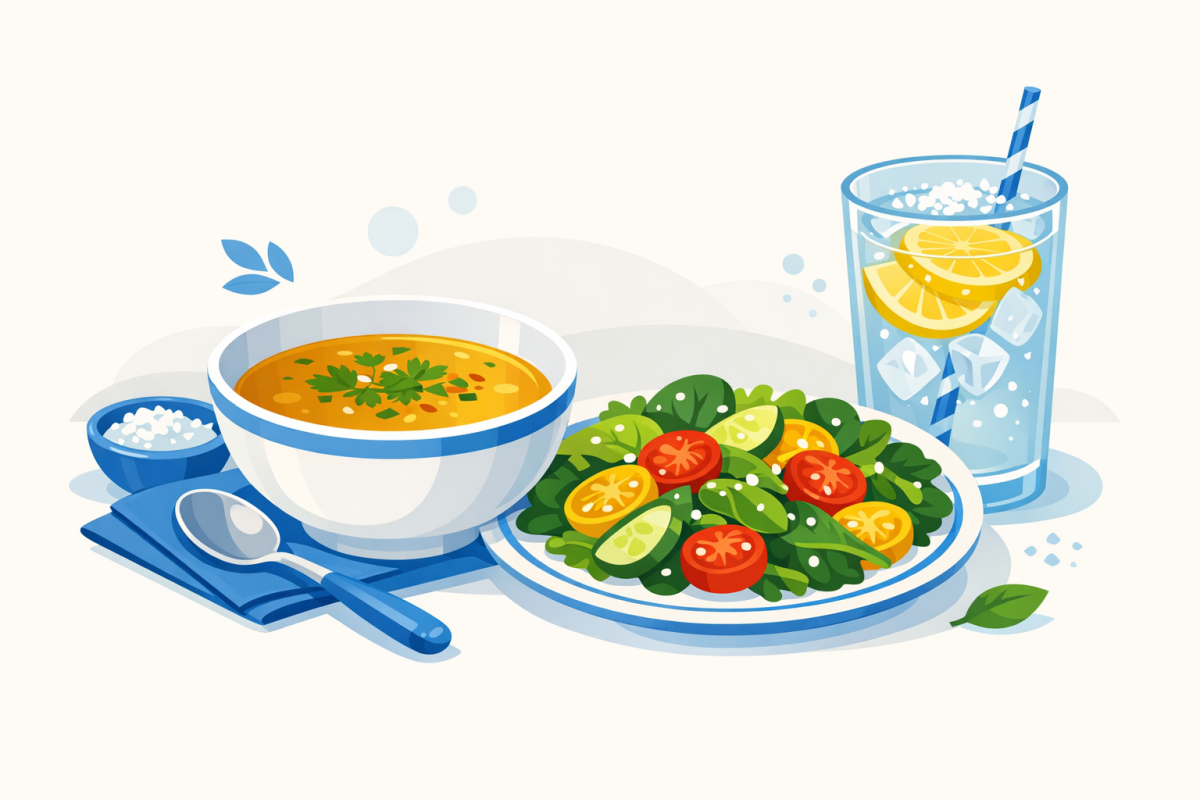
- Drink a daily salty broth: 1 to 2 cups of homemade bone broth or bouillon with ½ teaspoon salt can provide 1,000+ mg sodium.
- Use “salt shots” strategically: ¼ teaspoon salt dissolved in warm water or mixed into lemon water can quickly address symptoms like dizziness or headaches.
- Choose salty keto-friendly foods: Pickles, olives, cured meats without added sugar, and salted nuts in moderation.
When you need to be cautious with sodium
Increase your sodium more gradually and work with a clinician if you:
- Have high blood pressure that is not well controlled
- Take diuretics or ACE inhibitors
- Have kidney or heart disease
In these cases, you can still manage dehydration and symptoms, but you must personalize targets and monitor blood pressure more closely.
Optimizing Potassium, Magnesium And Calcium On Keto
Sodium gets most of the attention, yet potassium and magnesium often determine whether you feel stable, sleep deeply, and avoid cramps.
Getting enough potassium from keto-friendly foods
On a standard diet, people think of bananas for potassium, which are not keto friendly. Fortunately, many low carb foods are rich in potassium:
- Avocado, about 700–900 mg per medium fruit
- Cooked spinach or Swiss chard, about 800–900 mg per cooked cup
- Salmon, about 600–700 mg per 170 g (6 oz) portion
- Ground beef, about 400–500 mg per 114 g (4 oz)
- Mushrooms, about 300 mg per cooked cup
Aim to include one or two potassium rich foods at most meals. For example, a salad with avocado at lunch and salmon with sautéed greens at dinner can easily cover 1,500 to 2,000 mg.
Why magnesium is the “missing” keto mineral
Magnesium is involved in hundreds of enzymatic reactions, including energy production and nerve function. Low magnesium often shows up as:
- Night-time cramps
- Twitching eyelids
- Inner restlessness or anxiety
- Constipation
- Light sleep or early wake-ups
Good dietary sources include pumpkin seeds, almonds, spinach, and cacao, but on keto many people still fall short by 100 to 200 mg per day.
Practical supplementation strategy:
- Consider 200–300 mg magnesium glycinate or magnesium malate taken in the evening.
- Avoid high doses of magnesium oxide, which are poorly absorbed and more likely to cause diarrhea.
Pro Tip: If you wake up between 2 a.m. and 4 a.m. with a racing mind on keto, experiment with 200 mg magnesium glycinate at night for 7 to 10 days and track your sleep quality.
Calcium in a low carb context
Most keto eaters do not need to supplement calcium if they consume:
- Full fat Greek yogurt or cheese
- Sardines or salmon with bones
- Leafy greens like kale and collards
High dose calcium supplements can increase kidney stone risk in susceptible people, especially if fluid intake is low. Focus first on foods and consistent hydration, and only supplement under professional guidance.
Building A Daily Electrolyte Routine That Fits Your Lifestyle
Electrolyte balance improves when it becomes a routine rather than an afterthought. Here is how to structure your day so you stay ahead of problems.
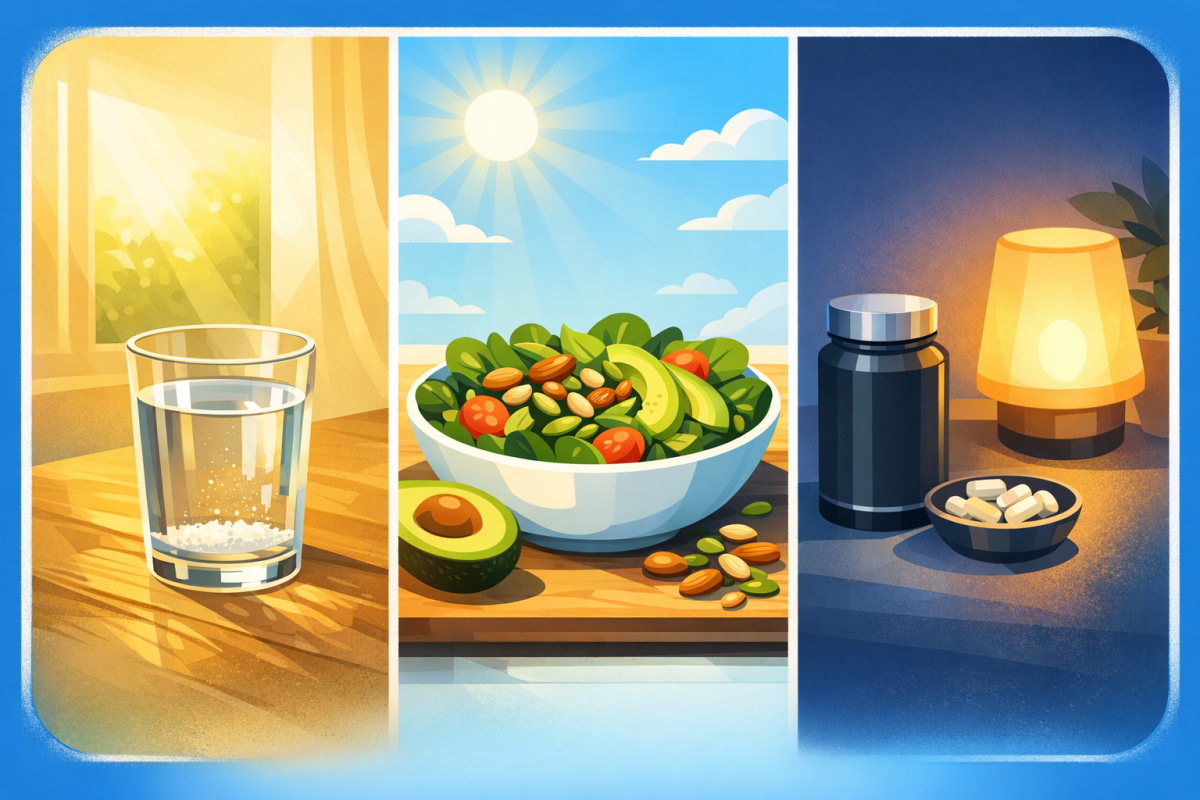
Morning: Front-load hydration and sodium
- Start your day with 500–750 ml water and a pinch of salt, or a cup of broth.
- If you drink coffee, add a small pinch of salt there as well, which offsets some of the diuretic effect.
- For professionals who skip breakfast, this is an easy way to avoid the mid-morning crash.
Midday: Layer potassium-rich whole foods
Lunch and early afternoon are prime time for potassium:
- Big salad with leafy greens, avocado, olive oil, and a salted protein source.
- Stir-fry of beef with spinach and mushrooms, seasoned generously with salt and herbs.
For busy parents, prepping a tray of salted roasted veggies and a batch of grilled chicken on Sunday can make this nearly automatic.
Evening: Magnesium and recovery
Your evening routine is where magnesium shines:
- Include magnesium-rich foods like pumpkin seeds or sautéed greens at dinner.
- Consider a magnesium supplement with or after your last meal.
- Drink an extra glass of water with a light pinch of salt if you trained that day or noticed any cramps.
Example: Simple keto electrolyte day
- Morning: 1 mug broth with ½ teaspoon salt, black coffee with a pinch of salt
- Lunch: Spinach salad with avocado, grilled salmon, olive oil, and added salt
- Afternoon: Water with a squeeze of lemon and a pinch of salt
- Dinner: Ground beef and sautéed Swiss chard, side of Greek yogurt
- Night: 250 mg magnesium glycinate with water
Adjusting Electrolytes For Workouts, Heat And Special Conditions
Your needs change with activity level, climate, and health status. Smart adjustments prevent performance drops and health issues.
Active professionals and recreational athletes
If you train several times per week on keto:
- Add 500–1,000 mg extra sodium around workouts. A simple mix is ¼ teaspoon salt in 500 ml water.
- Include at least one potassium-rich food in your pre or post workout meal, such as avocado or leafy greens.
- Consider a magnesium supplement daily, not just “as needed.”
This often eliminates the “dead legs” feeling and supports better heart rate control during training.
Hot climates and heavy sweaters
In warm environments or during summer:
- Increase fluid intake by 500–1,000 ml over your baseline.
- Add ¼ to ½ teaspoon salt to 1 or 2 of your daily water bottles.
- Pay attention to salt streaks on clothing or in sweat, which suggest you may need more sodium.
Health conditions that require personalization
You must coordinate with your healthcare provider if you:
- Have chronic kidney disease or a history of high potassium
- Take blood pressure medications, especially ACE inhibitors or ARBs
- Use diuretics such as hydrochlorothiazide or furosemide
In these situations, even diet-based electrolyte adjustments can interact with medication. A gradual, monitored approach is safest.
Using Electrolyte Supplements And Mixes Wisely
Electrolyte powders and pills can be convenient, but they are not all created equal.
What to look for in a keto-friendly electrolyte product
Choose products that:
- Provide meaningful sodium, at least 500–1,000 mg per serving, unless you are sodium restricted.
- Contain 200–400 mg potassium and 100–200 mg magnesium per serving.
- Avoid added sugar. Stevia or erythritol are preferable for most keto plans.
- Disclose all ingredient amounts, rather than hiding them in blends.
When whole foods are enough
You may not need specialized supplements if:
- You salt your food generously.
- You eat potassium-rich vegetables daily.
- You take a standalone magnesium supplement in the evening.
Electrolyte powders are most helpful during the adaptation phase, in hot weather, on heavy training days, or when traveling and your normal food pattern is disrupted.
Key Takeaways For Balancing Electrolytes On Keto
- Keto increases water and sodium loss, which drags potassium and magnesium with it.
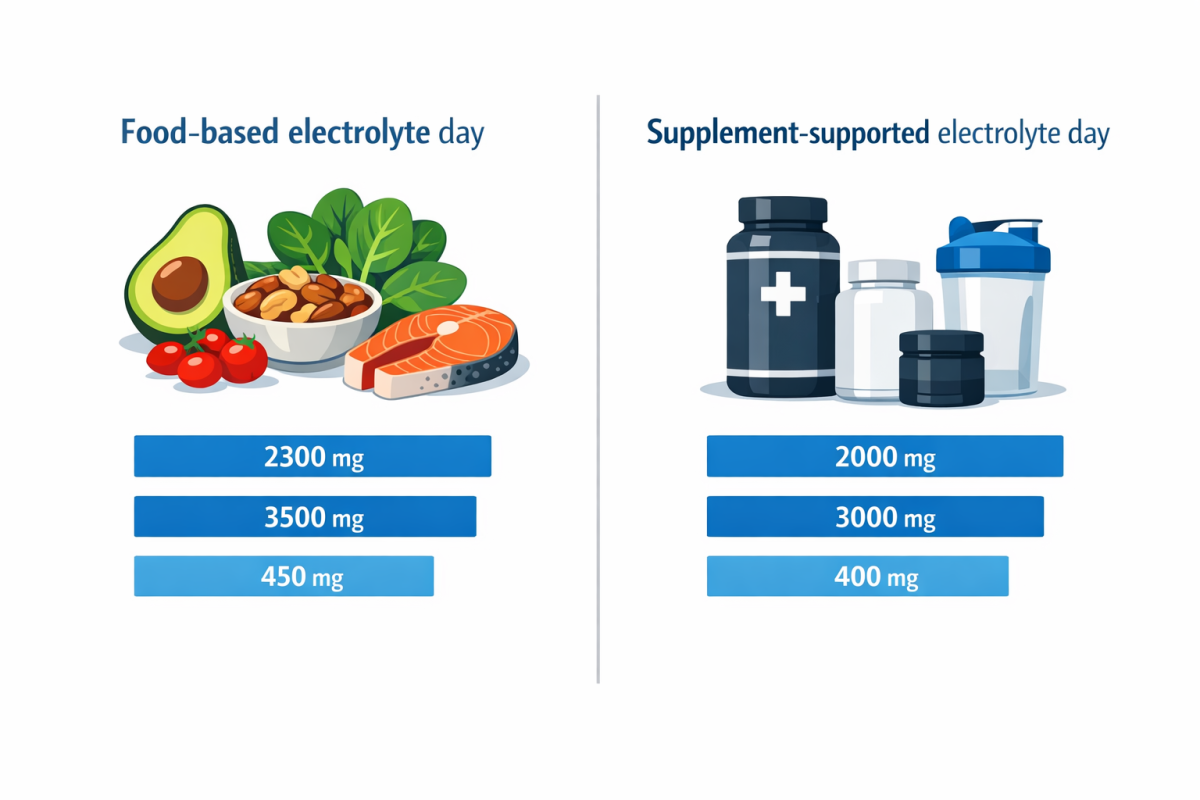
- Most healthy adults on keto do best with 3,000–5,000 mg sodium, 3,000–4,700 mg potassium, and 300–400 mg magnesium daily.
- Focus on salty broths, avocado, leafy greens, quality proteins, and a well-chosen magnesium supplement.
- Tailor your intake to your activity level, climate, and medical conditions.
- Turn electrolyte management into a daily routine, instead of troubleshooting symptoms after they appear.
Key Takeaway: When your electrolytes are dialed in, keto feels sustainable. Energy stabilizes, cravings shrink, and workouts become productive instead of punishing.
CTA: Pair Balanced Electrolytes With Smart Keto Meals
Electrolyte balance works best when your meals are structured, consistent, and rich in mineral dense whole foods. That is where many busy professionals, athletes, and parents struggle, especially when cooking for a family.
KetoDietRecipes.org offers keto meal ideas that naturally support electrolyte intake, such as brothy soups, avocado rich salads, and magnesium dense sides, all organized into practical meal plans. This makes it much easier to hit your sodium, potassium, and magnesium targets without constantly tracking numbers or relying on processed products.
If you want recipe inspiration that lines up with the electrolyte strategies in this guide, visit KetoDietRecipes.org and explore their structured plans and recipe collections.
Frequently Asked Questions
How do I know if my electrolytes are low on keto?
Typical signs include headaches, fatigue, light-headedness when standing, muscle cramps, heart palpitations, and “keto flu” symptoms such as nausea and brain fog. If these appear within days or weeks of starting keto, electrolyte loss is likely involved. Persistent or severe symptoms, especially chest pain, intense palpitations, or confusion, warrant medical evaluation to rule out other causes.
Can I just drink more water to fix electrolyte issues on keto?
No. Extra plain water without additional electrolytes can dilute your sodium even further, which sometimes worsens symptoms such as dizziness or fatigue. On keto, you usually need both fluid and minerals. A better approach is moderate water intake combined with added salt, broths, and potassium- and magnesium-rich foods, or a balanced electrolyte mix when appropriate.
Are electrolyte supplements necessary, or can food be enough?
Many people can meet their needs using food plus extra salt and a basic magnesium supplement. This works well if you cook most meals at home and consistently include potassium rich vegetables and sodium. Electrolyte supplements are most useful during keto adaptation, high training loads, hot weather, or travel, when your routine and food options are less predictable.
Is it safe to increase sodium on keto if I have high blood pressure?
It depends on the cause and control of your blood pressure and on your medications. Some people experience improved blood pressure on keto even with moderate sodium intake, while others remain sensitive to salt. If you have hypertension, do not increase sodium sharply on your own. Discuss keto and electrolyte plans with your clinician, and monitor blood pressure regularly as you adjust.
How long do I need to focus on electrolytes after starting keto?
Electrolyte needs are highest in the first 2 to 4 weeks while your body adapts and sheds water. Many people can then ease slightly, but you will always require a bit more attention to sodium and magnesium on keto than on a higher carb diet. Think of electrolytes as part of your permanent keto routine, similar to planning protein or tracking carbs, rather than a temporary fix.